
Tooth extraction

Tooth Extraction Treatment
Excessive tooth decay, procedures associated with orthodontic treatment, tooth infections, and similar problems gradually threaten the surrounding tissues and oral health of the decayed tooth. When decay and trauma reach a point where dental treatment is not possible, tooth extraction can be performed with a focus on patient health.
In certain special cases such as organ transplantation and receiving chemotherapy, tooth extractions can also be carried out to maintain oral health.
General Tooth Extraction
Tooth extraction is usually painless when all medical conditions are provided correctly and the right techniques are used. The recovery time that patients can feel after extraction is very short. Within a few days, the pain and bleeding will usually disappear completely.
Embedded Tooth Extraction
A tooth that has not erupted when it should have and remains submerged under the gum or bone is called an impacted tooth. Impacted teeth can occur with wisdom teeth, canine (eyetooth) teeth, and premolar teeth. Impacted teeth that fail to erupt properly can become decayed and can cause crowding of other teeth.
They are usually extracted, often in conjunction with orthodontic treatments. Swelling that occurs after the extraction is a normal part of the healing process and is necessary for proper healing. Patients who are concerned about post-extraction swelling can apply a cold compress on the cheek to reduce swelling.
Wisdom Tooth Extraction
The most common type of impacted tooth, the wisdom tooth, often remains buried in the jawbone and can cause damage to neighboring teeth by decaying. Due to its difficult accessibility, it can be both prone to decay and cause bad breath.
If conditions are favorable, wisdom teeth can be orthodontically guided into their proper position. However, this method is not always feasible depending on the width of the jaw and the eruption of the teeth. When the wisdom tooth starts to cause damage to the tooth and jaw structure, it needs to be extracted.
After reaching this point, if the wisdom tooth is not extracted, it can cause redness, swelling, swelling of the lymph nodes, and severe pain radiating to the neck.
With appropriate medical conditions and under local anesthesia, a comfortable extraction procedure can be performed for wisdom tooth extraction, and the patient can regain normal function within a short period of time.
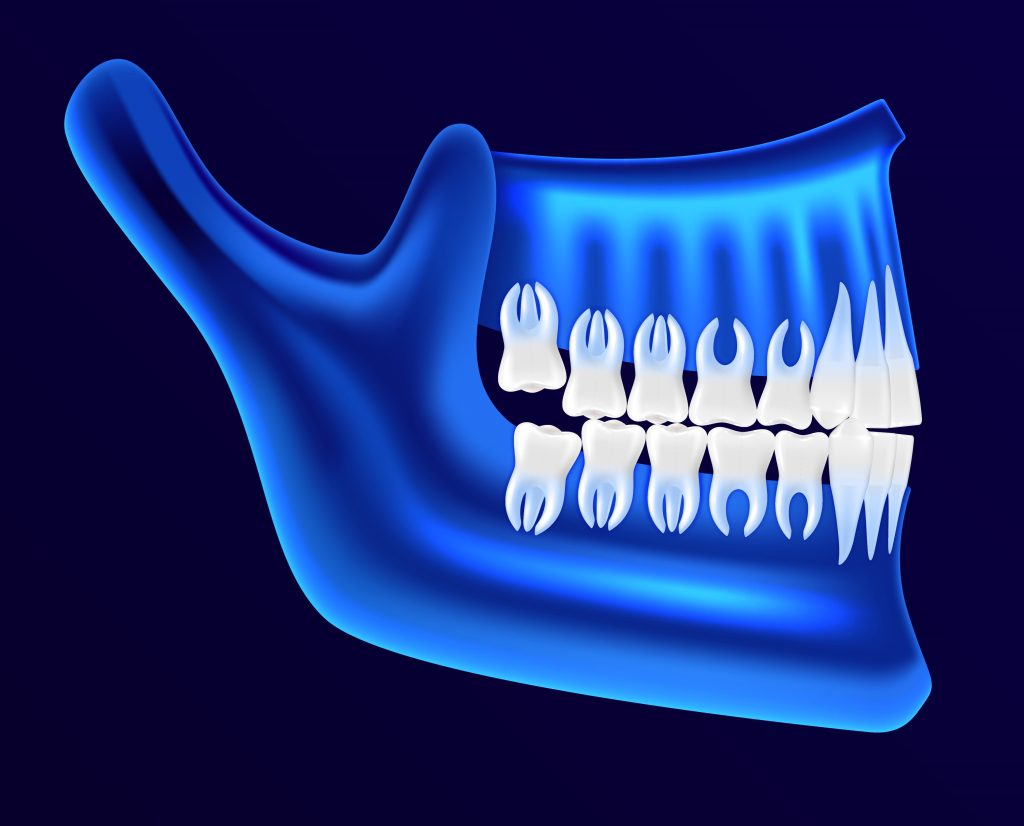
Frequently Asked Questions About Tooth Extraction
The methods used in tooth extraction procedures vary depending on whether the tooth is impacted or not. Dentists can decide whether the extraction requires a simple procedure or a more serious surgical operation. They may also prescribe an antibiotic medication before the procedure.
For the extraction of visible teeth, the dentist uses a tool called an elevator to numb the area with local anesthesia and loosen the tooth. Once the tooth is adequately loosened, it is removed using forceps, which resembles scissors. Combined methods can be applied based on the root structure and presence of fractures in the tooth.
A similar extraction procedure is performed for wisdom teeth. However, due to the position of the tooth, the healing time for the resulting socket is longer.
Not healed by methods such as filling, root canal treatment, coating; In addition, teeth that pose a threat to the teeth and mouth structure should be extracted.
Tooth extraction takes between 30 and 60 minutes.
If the medical conditions are fully met and the dentist uses the right techniques, there is no abnormal pain. The expected level of pain is controlled with mild painkillers.
The average recovery time after tooth extraction is 7 days.
Soft food can be consumed 2 hours after tooth extraction.
After tooth extraction, it is necessary to take a 1-day break from the consumption of acidic drinks.
Before tooth extraction, x-rays can be taken by the dentist and antibiotics can be prescribed if necessary.
2 hours after tooth extraction, numbness in the area passes.
No results have been achieved with pioneering treatment methods; anyone aged 6 and older can have a tooth extraction.
One week after tooth extraction, control can be made if needed.
X-ray should be taken before tooth extraction. If necessary, antibiotics may be prescribed by the dentist.
Tooth extraction procedures are completed in a single session.
The amount of edema that will occur on the cheek may vary from person to person. To minimize the formation of edema; After a while, cold pads can be applied to the cheek area at intervals.
Since local anesthesia will be used in inflamed teeth, no pain is felt during the procedure.
A few days of pain may be felt after tooth extraction. Painkillers may be prescribed by the dentist depending on the severity of the pain.
Water can be drunk 2 hours after tooth extraction.
You can brush your teeth 24 hours after tooth extraction.
Bad breath may occur for a while due to the cavity formed after tooth extraction. As this cavity heals, bad breath also disappears.
You can gargle 2 hours after tooth extraction.
There is no danger of tooth extraction if the medical conditions are fully met and the right techniques are applied.